Co-Centre for Climate + Biodiversity + Water
Research that gets found. A centre working across Ireland, Northern Ireland and Great Britain needed its work in front of funders, governments, businesses and communities. One site connects every researcher to their projects and papers.
- Client
- Trinity College Dublin
- Services
- Website design
- WordPress build
- Research directory
- Hosting and care
- Sector
- Research
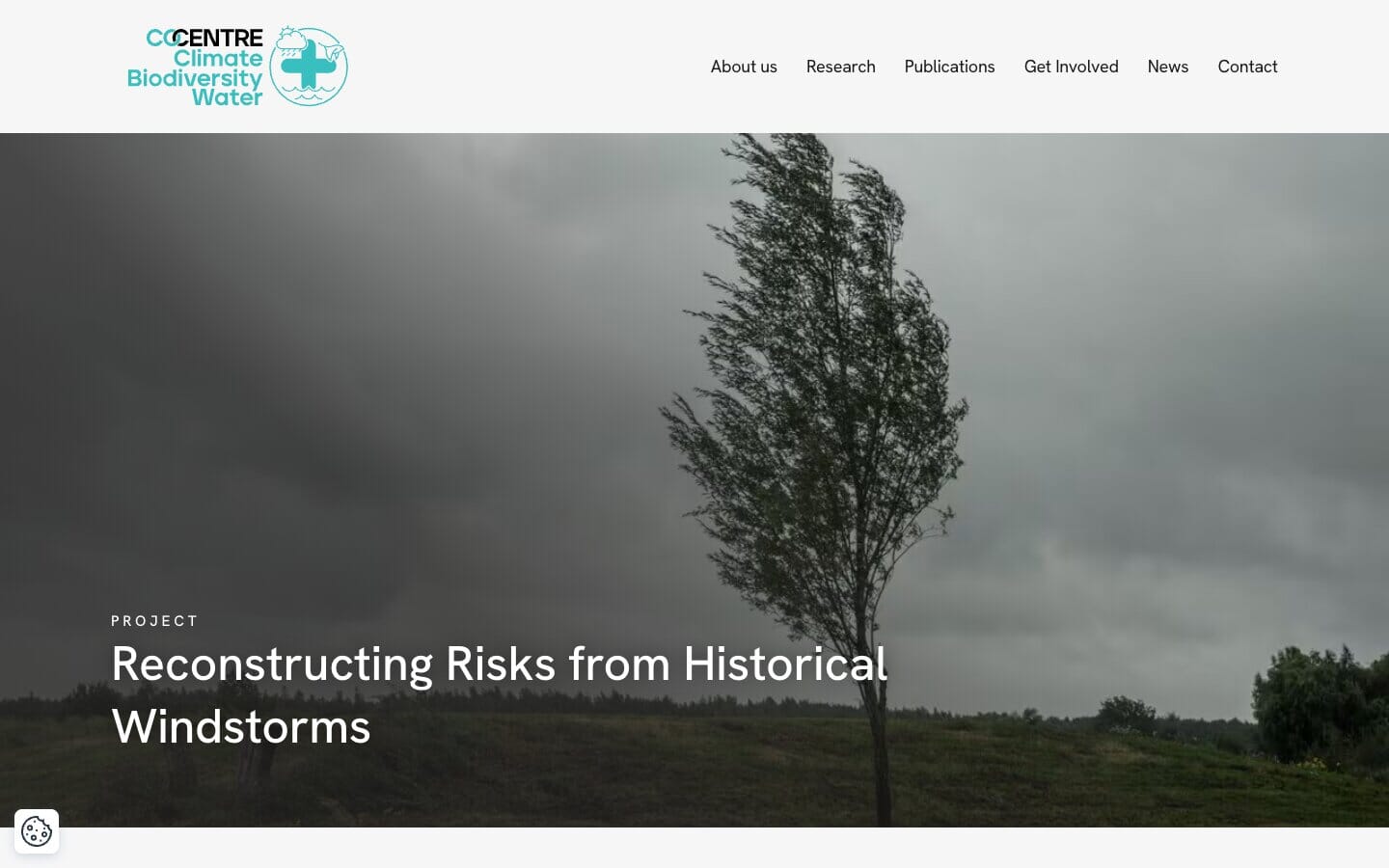
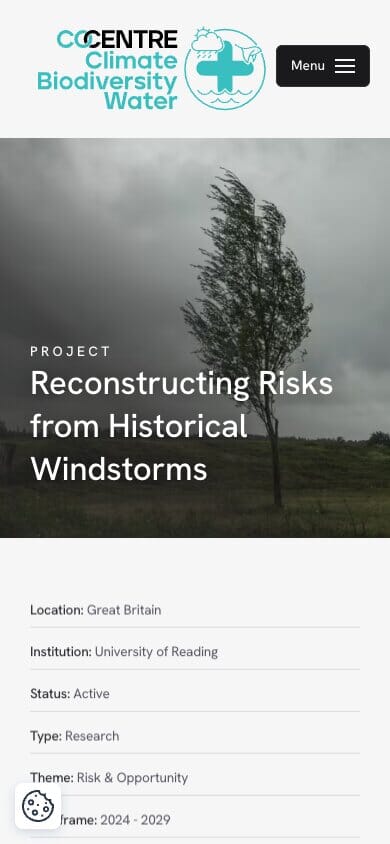
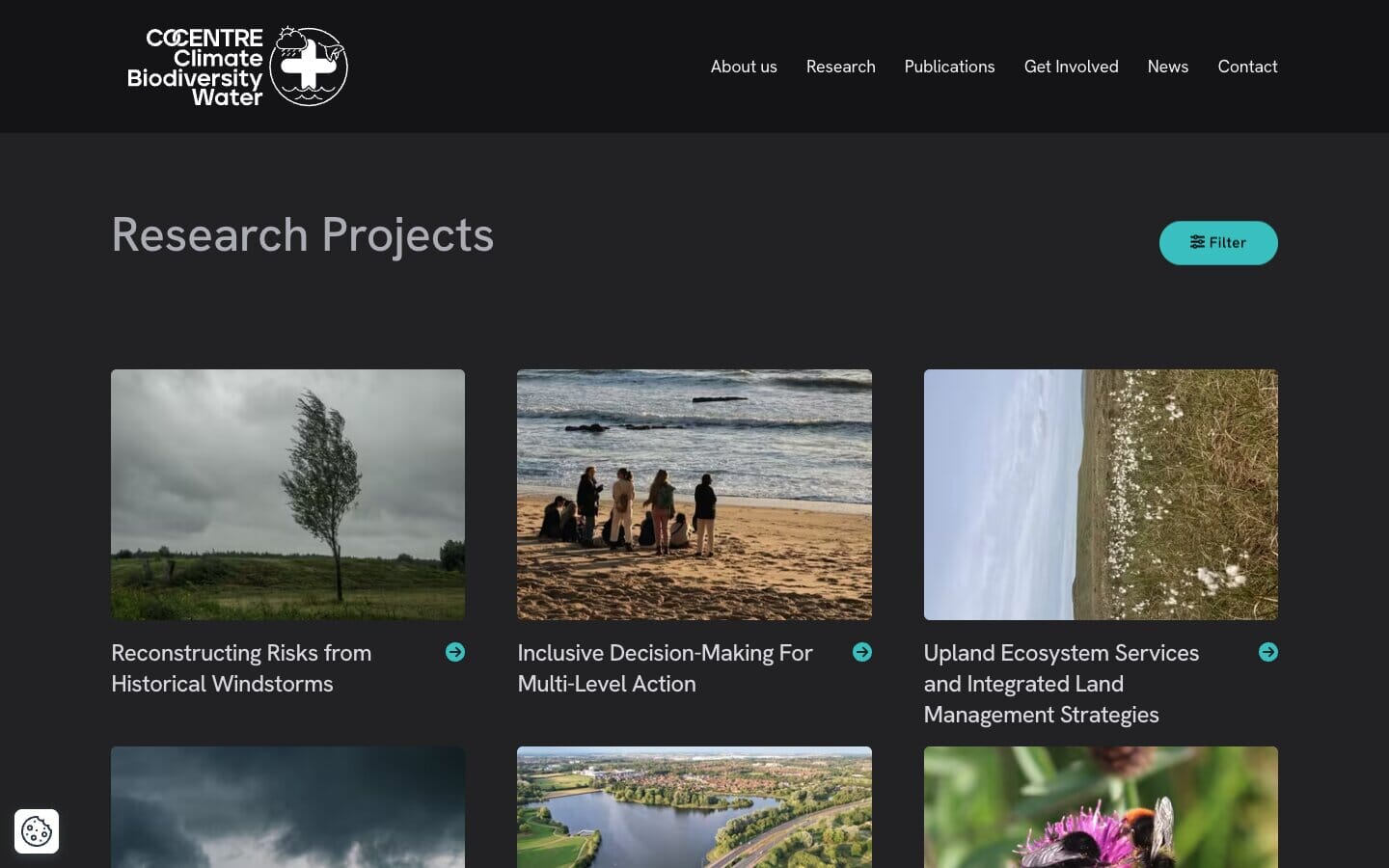
From a person to their projects, from a project to its papers.
Objective
Make the research impossible to miss.
Fourteen institutions, more than 100 researchers, and backing from the research funders of three governments. A centre advised by a former President of Ireland, working on the biggest problems of our time: climate change, biodiversity loss and water pollution.
Research like that only changes things when people find it. The Centre reviewed proposals from several agencies and chose us to put its work in front of everyone who funds it, cites it and acts on it.
Hosted at



Approach
Connect everything to everything.
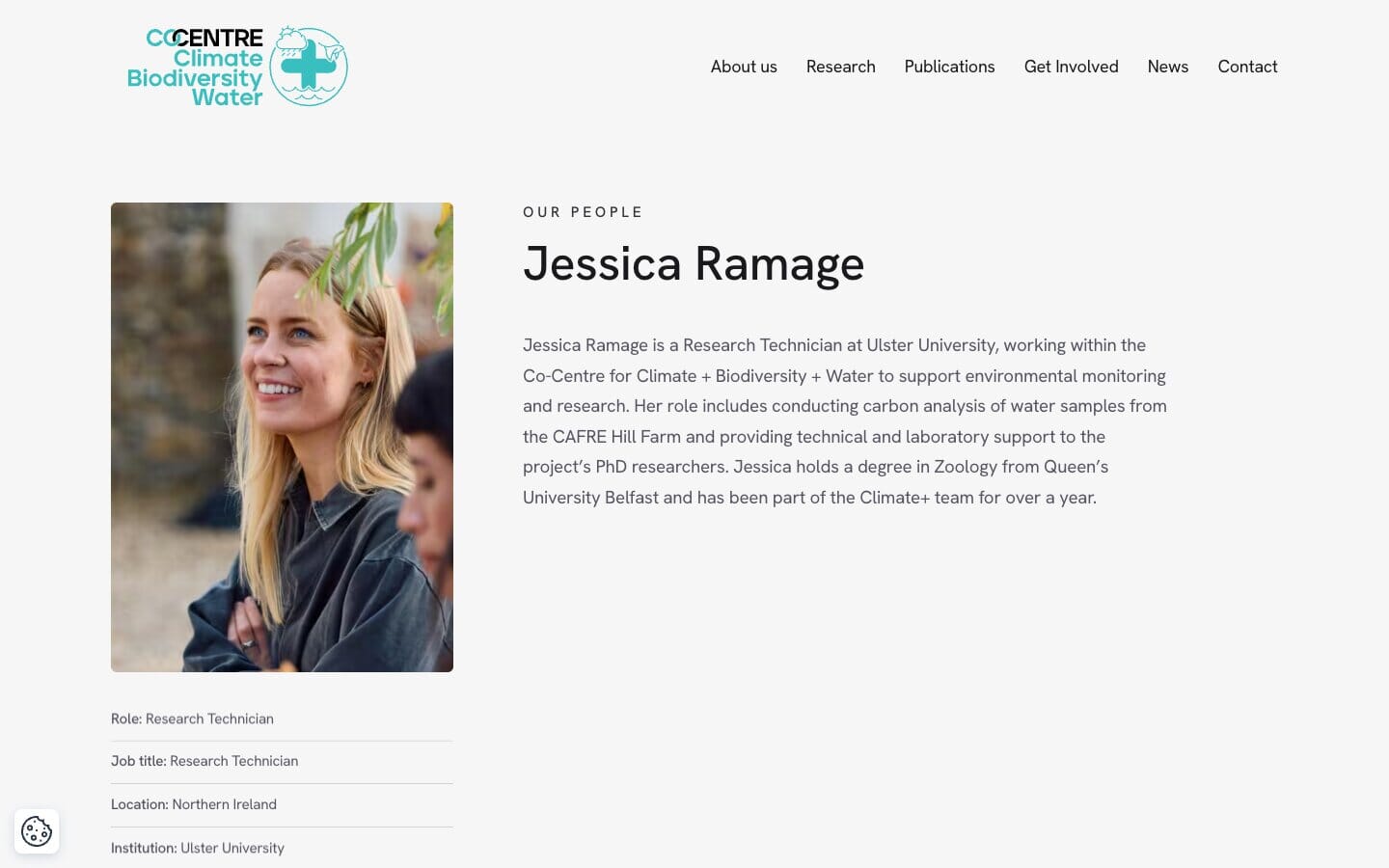
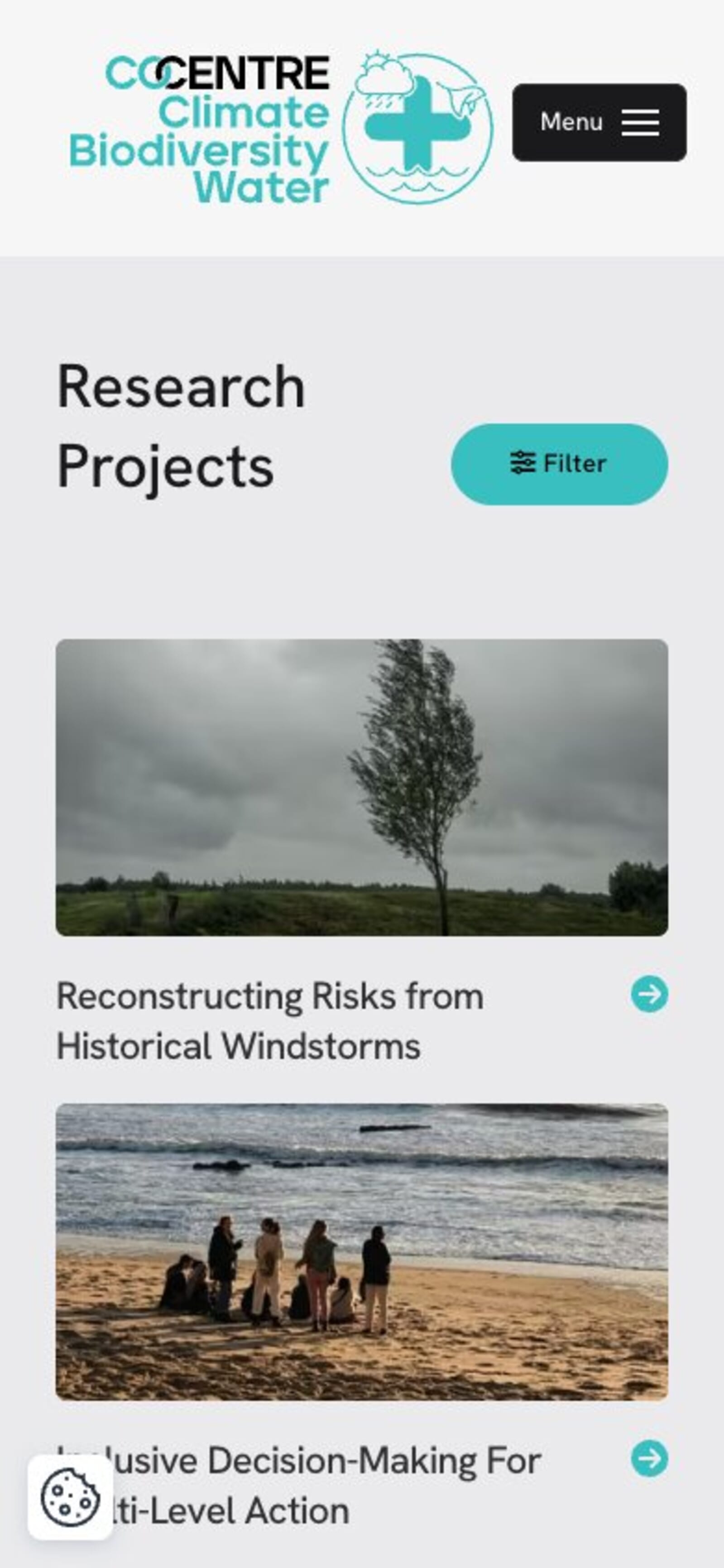
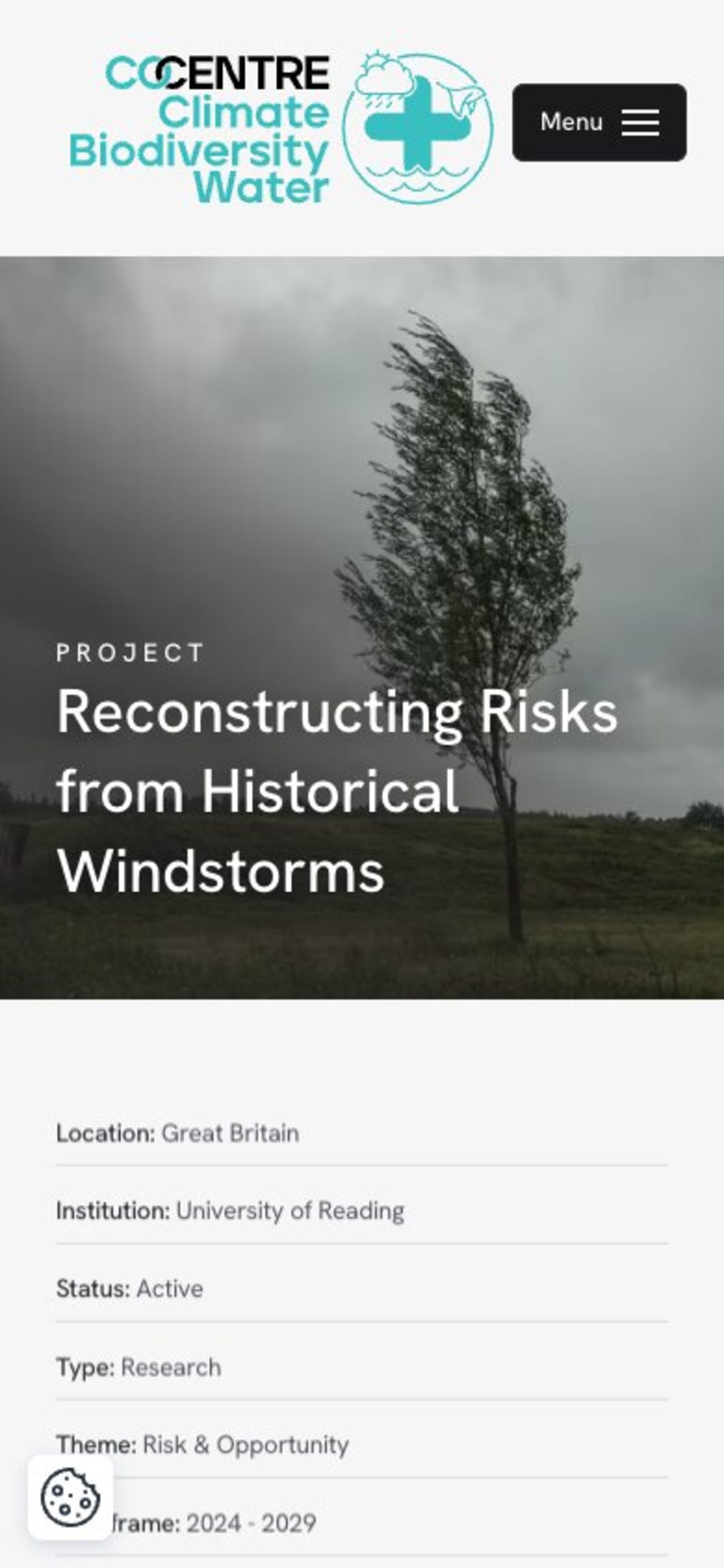
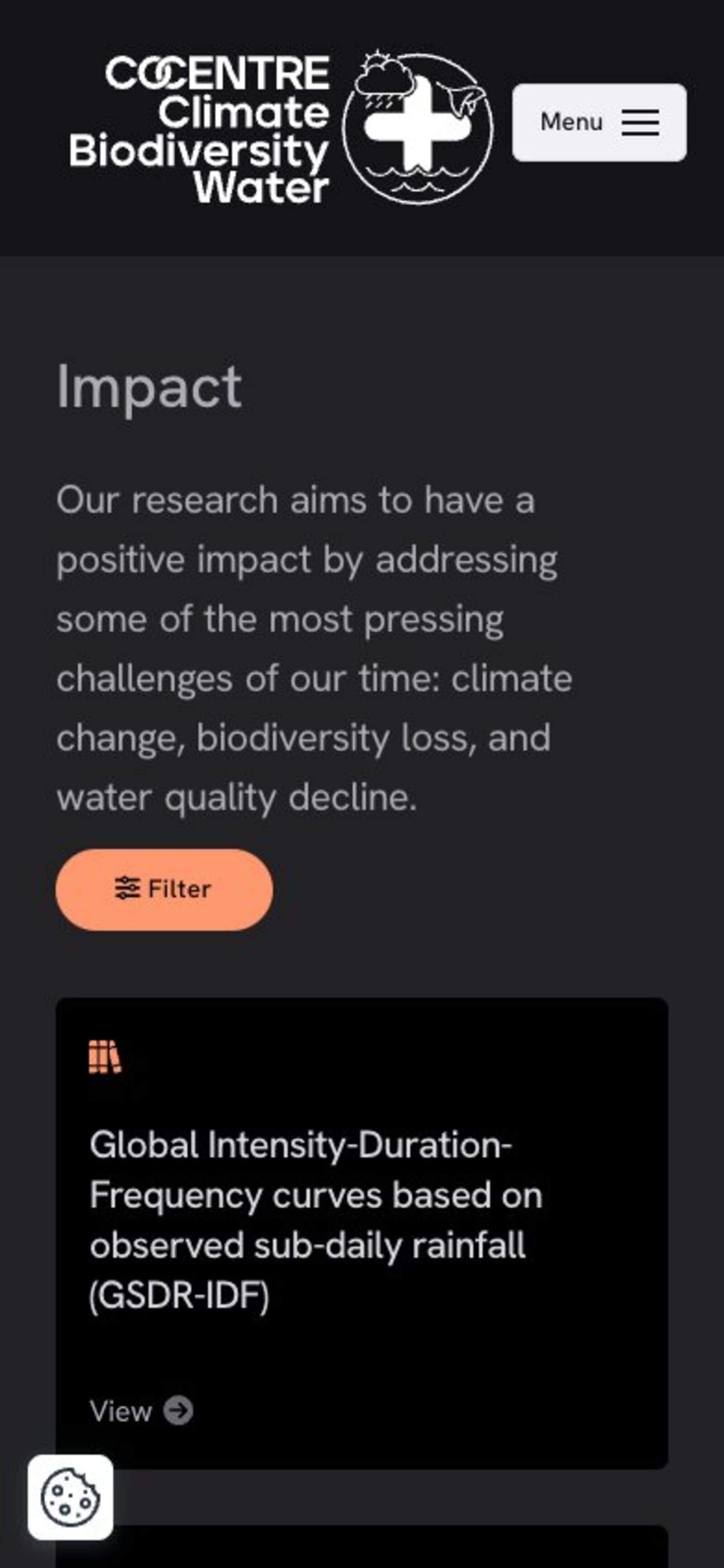
Research is a web of people, projects and papers, so we built the site the same way. A researcher’s page leads to their projects. A project leads to its people and what came of it. Every theme, institution and tag opens everything else that shares it.
Whichever door a visitor comes in by, a funder, a minister’s adviser, a business or a teacher, they can follow the thread to exactly what they need.
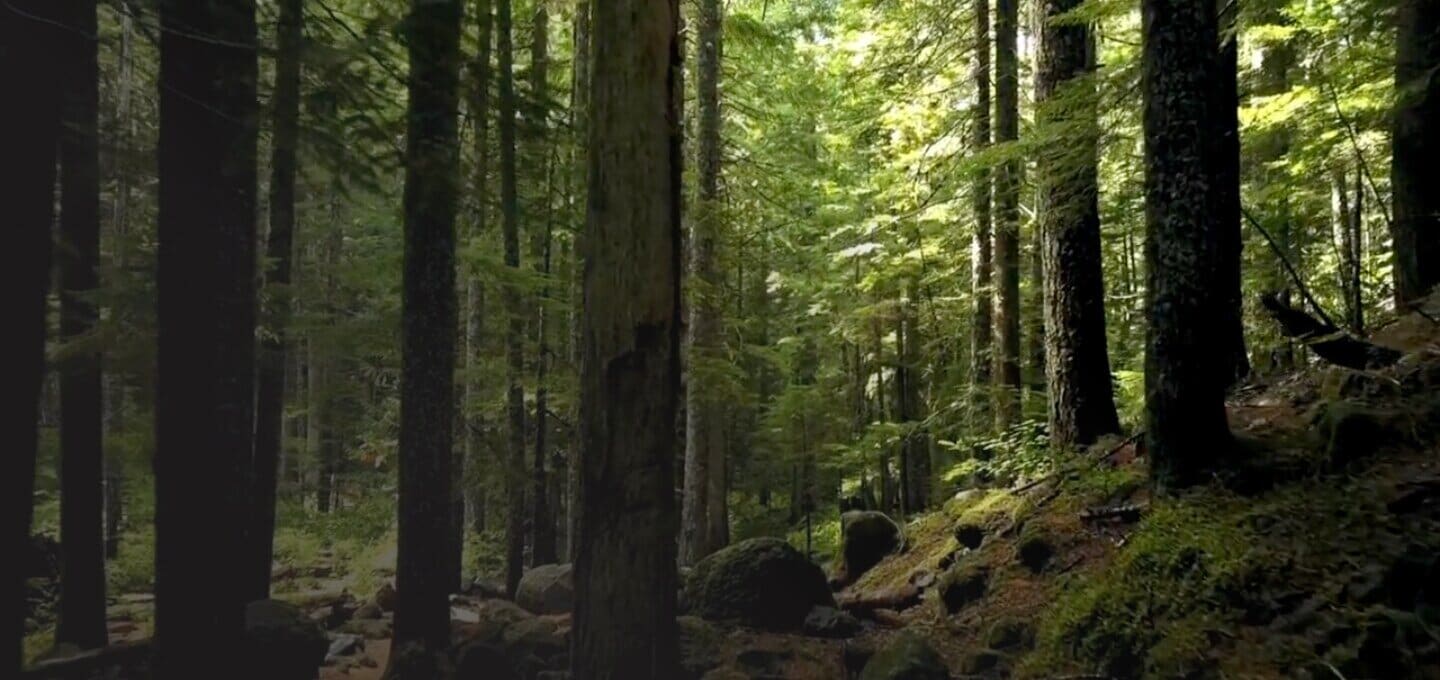
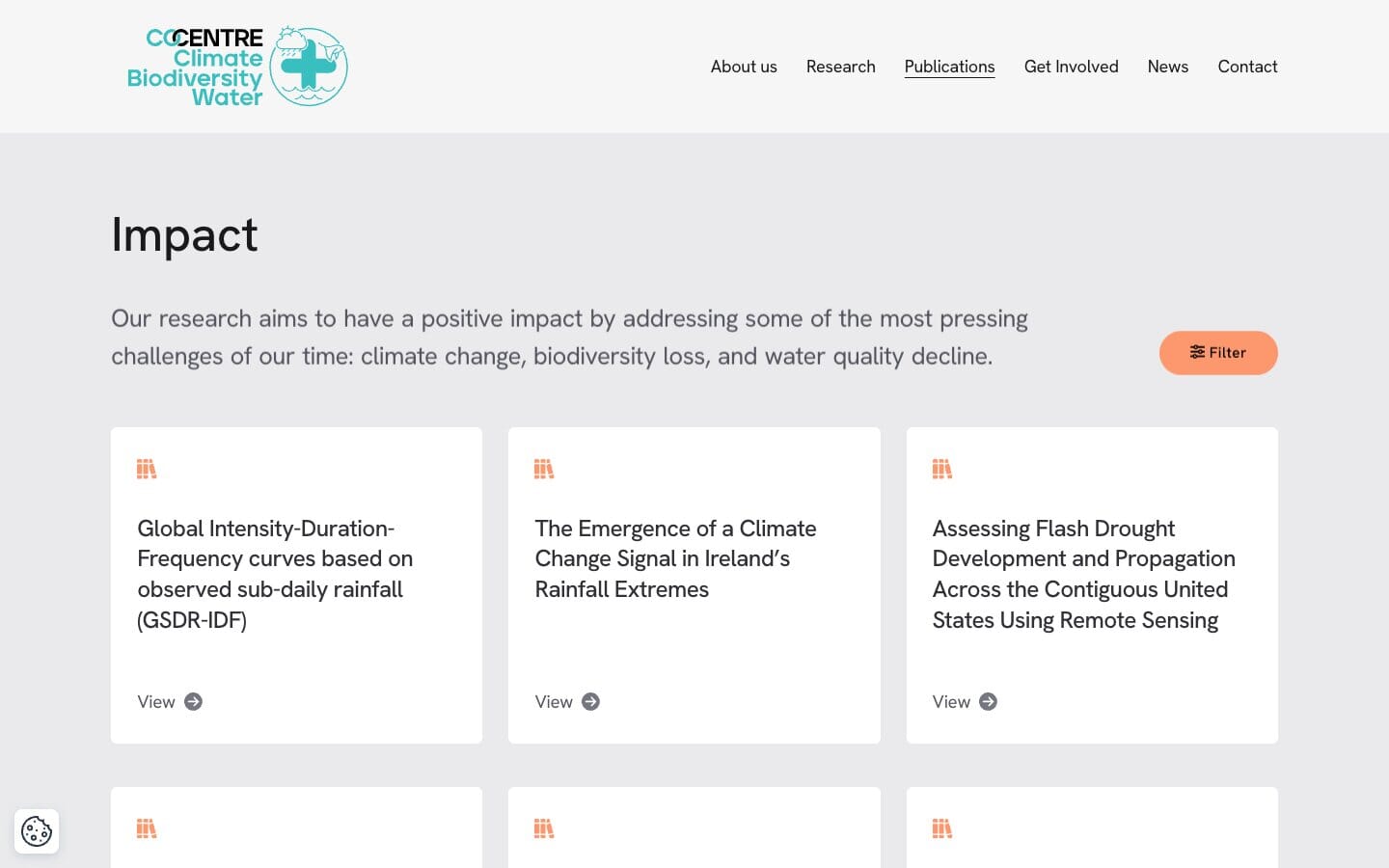
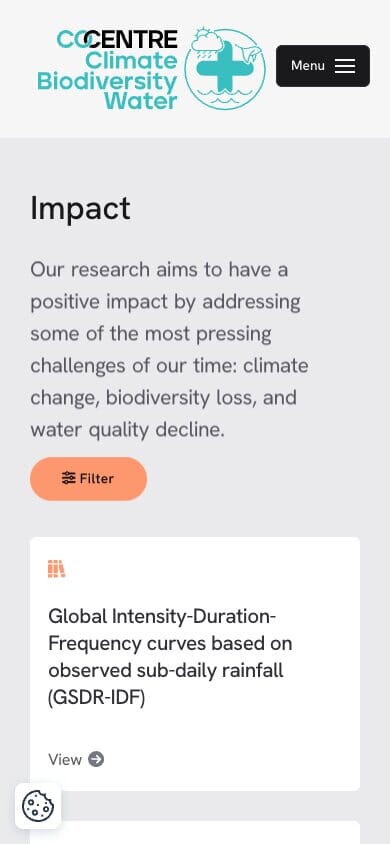
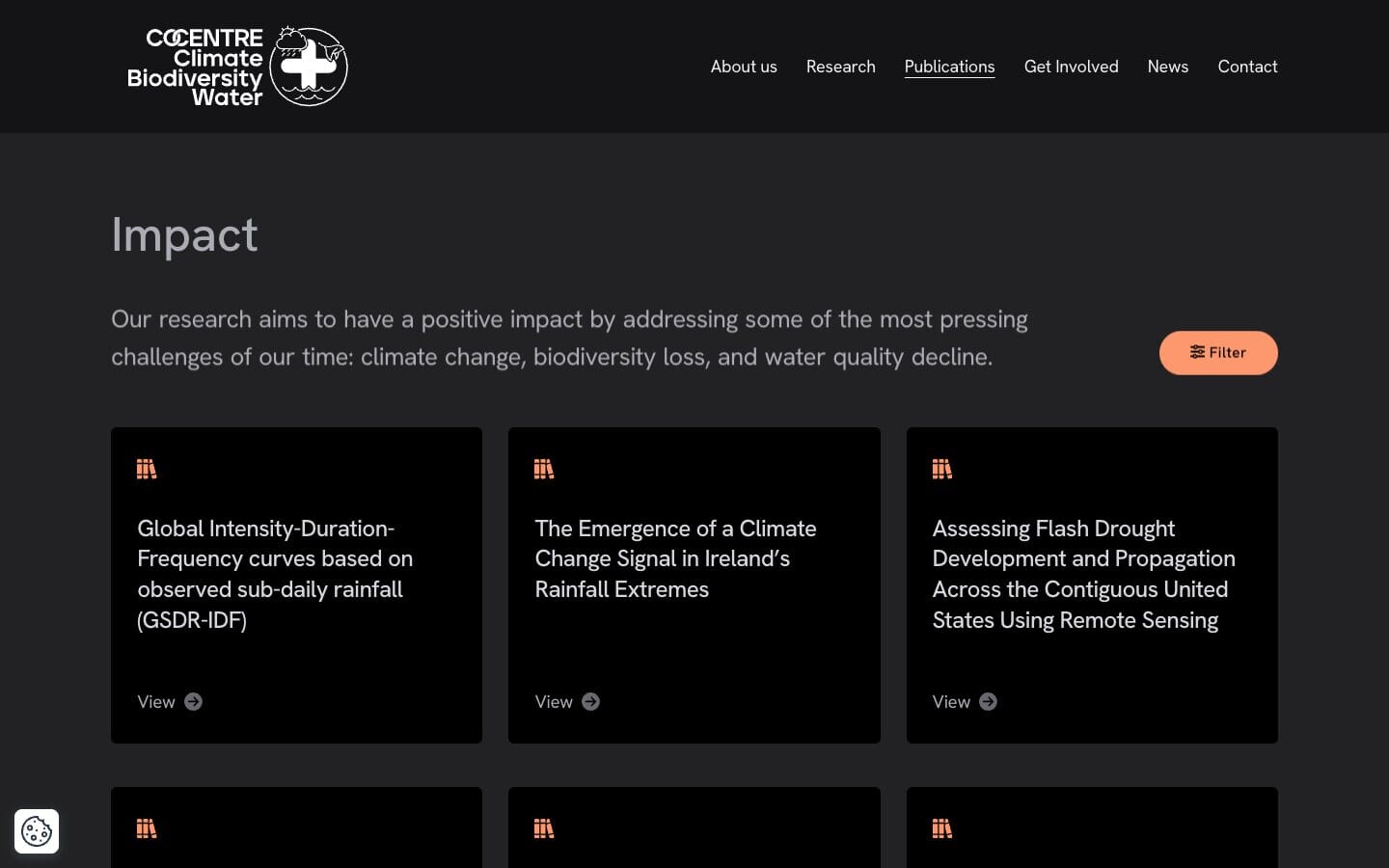
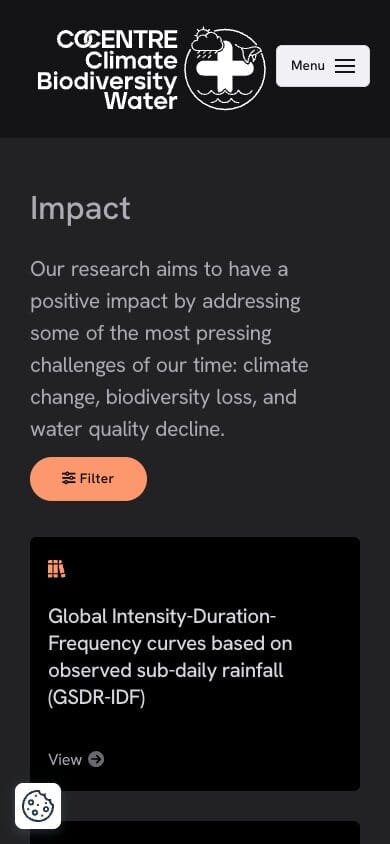
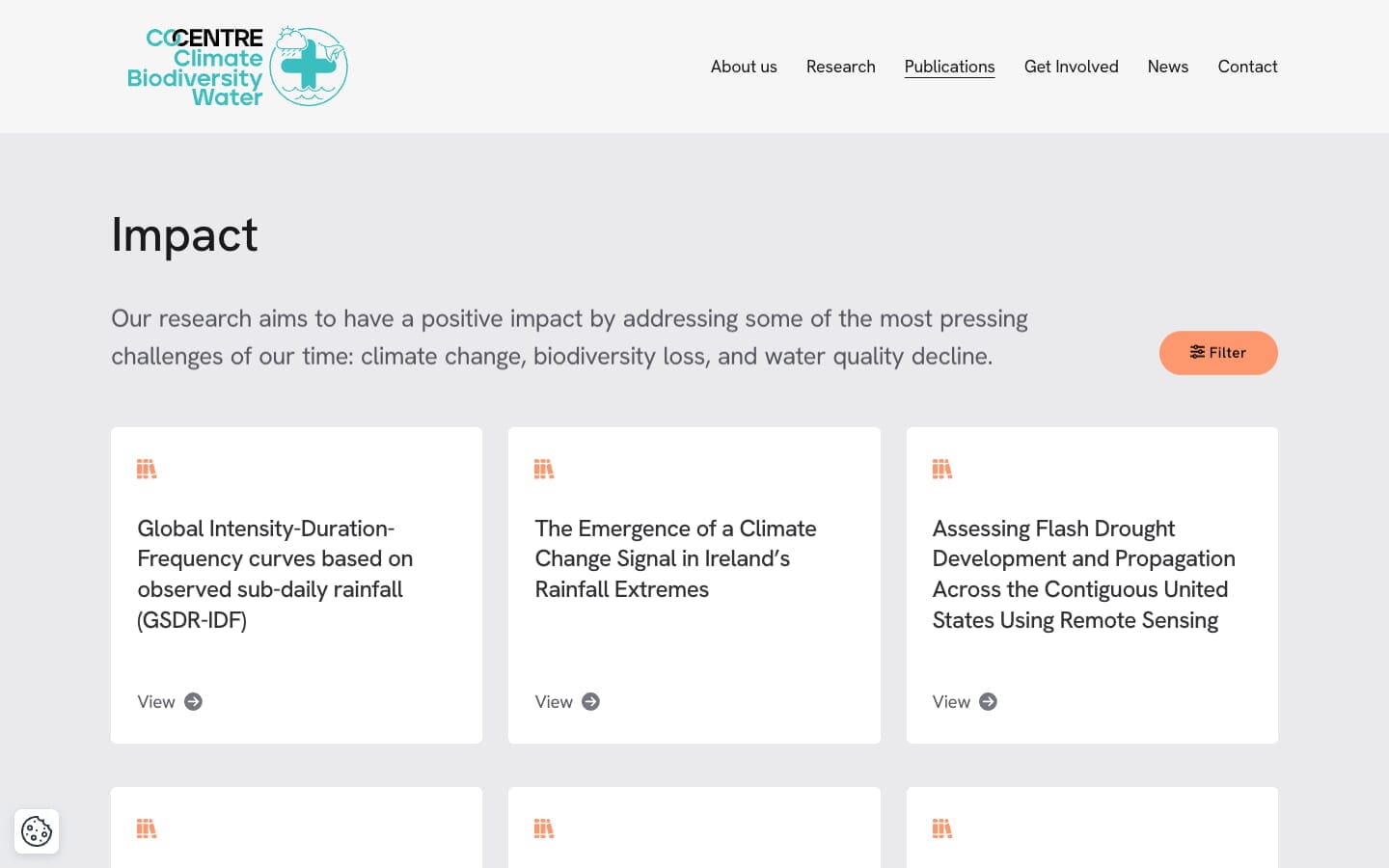
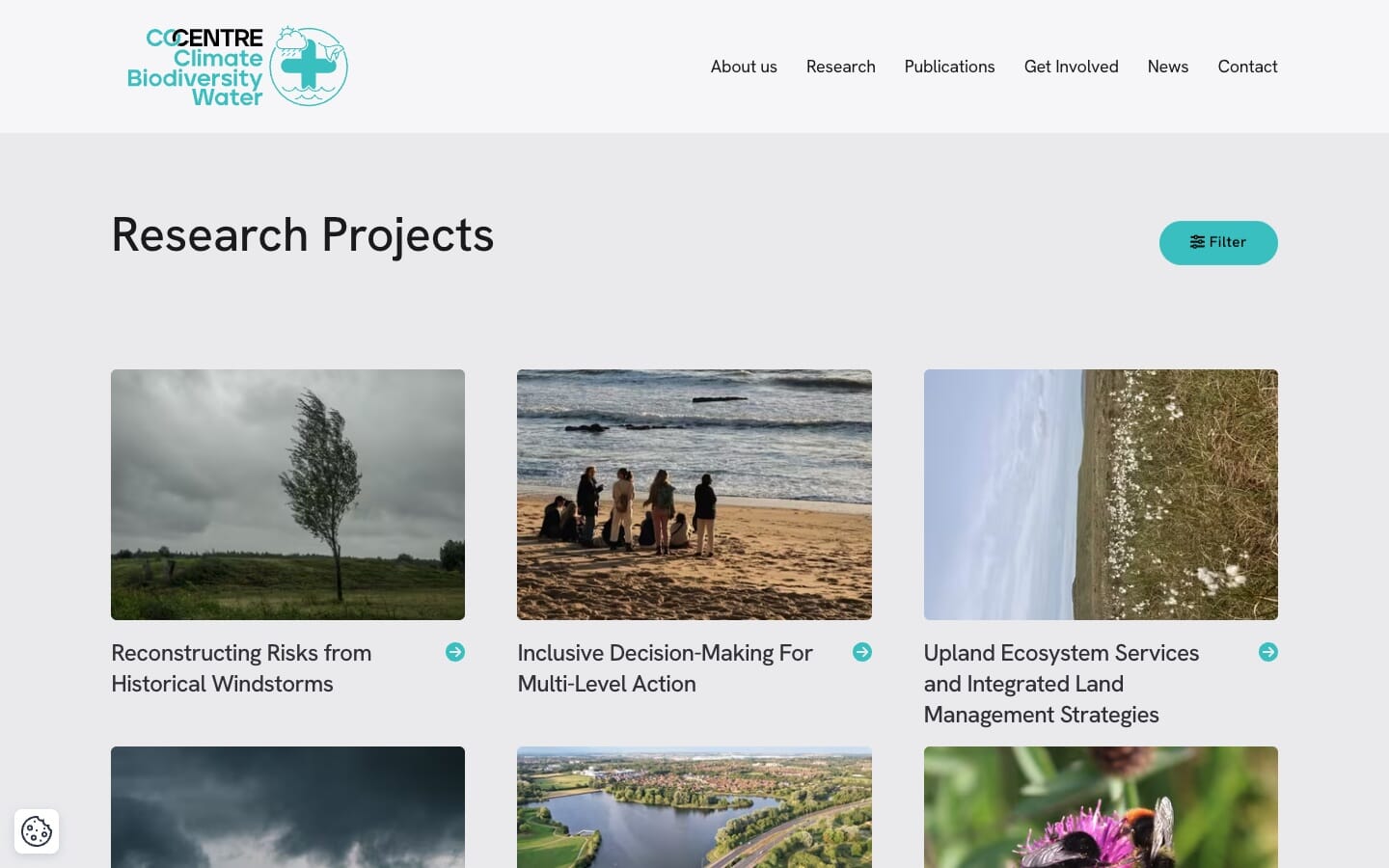
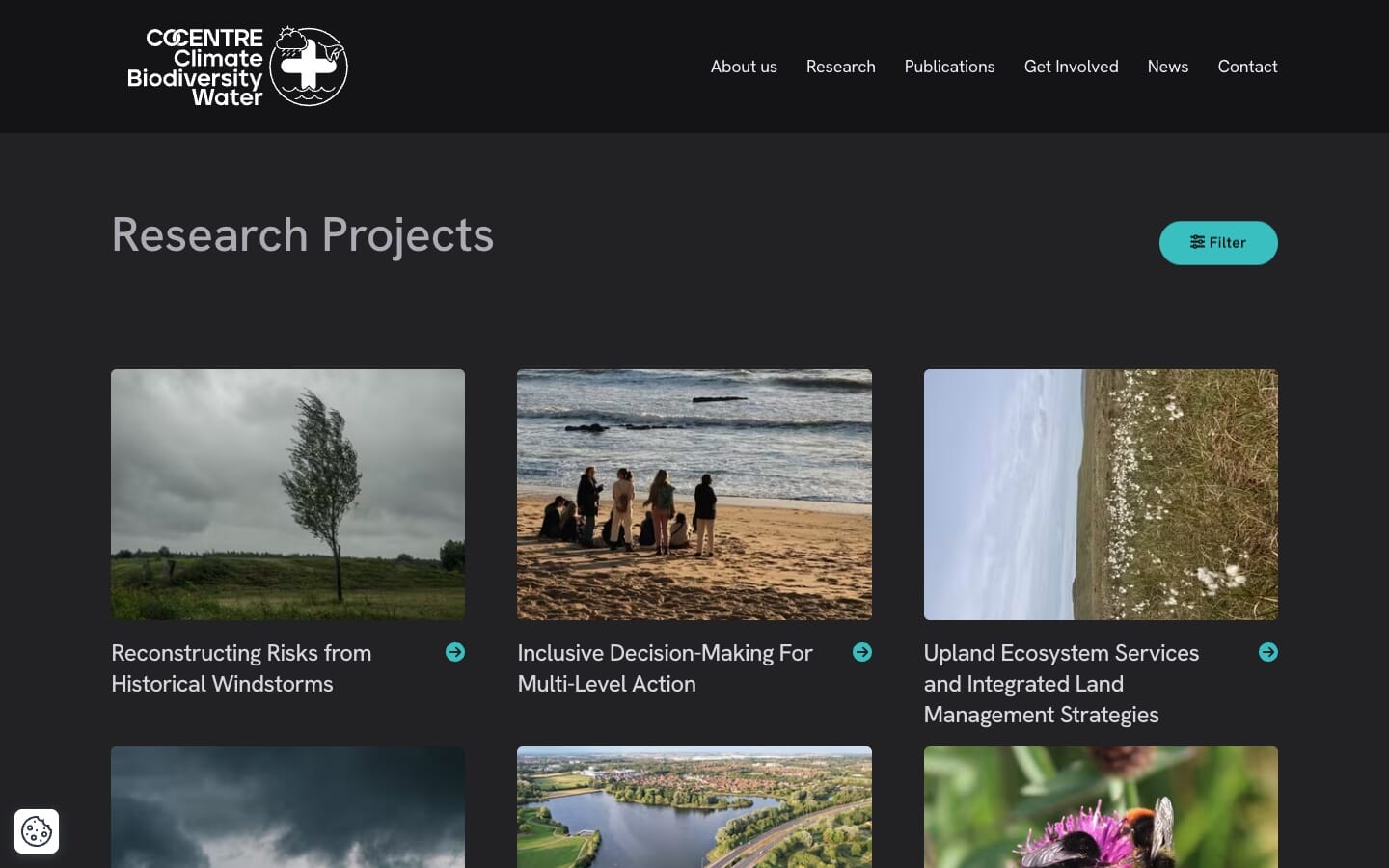
The site follows each visitor's own device: light by day, dark by night, with nothing to switch.
Every person, project and paper, connected.
-
145
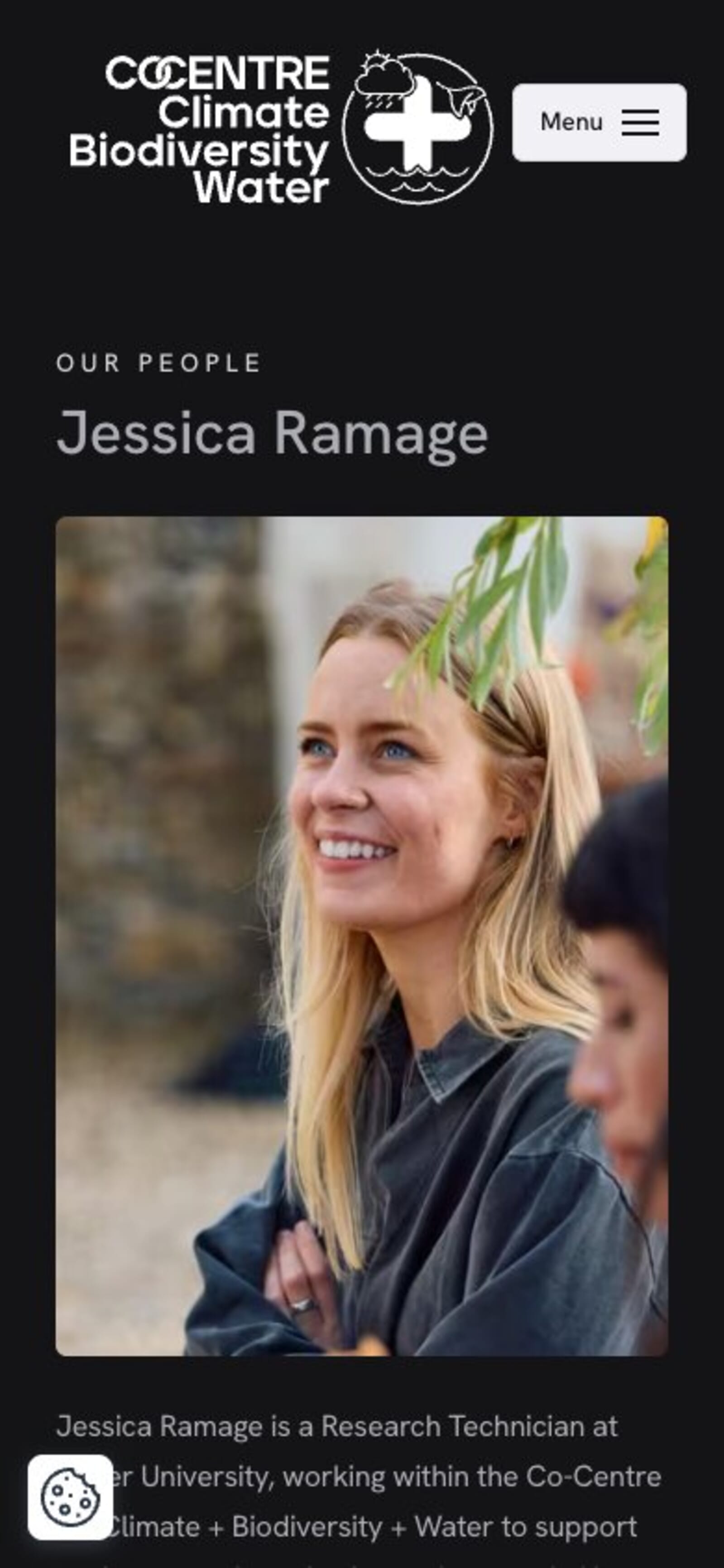
Researcher profiles, each linked to their work
-
32
Research projects, each linked to its people and outputs
-
70
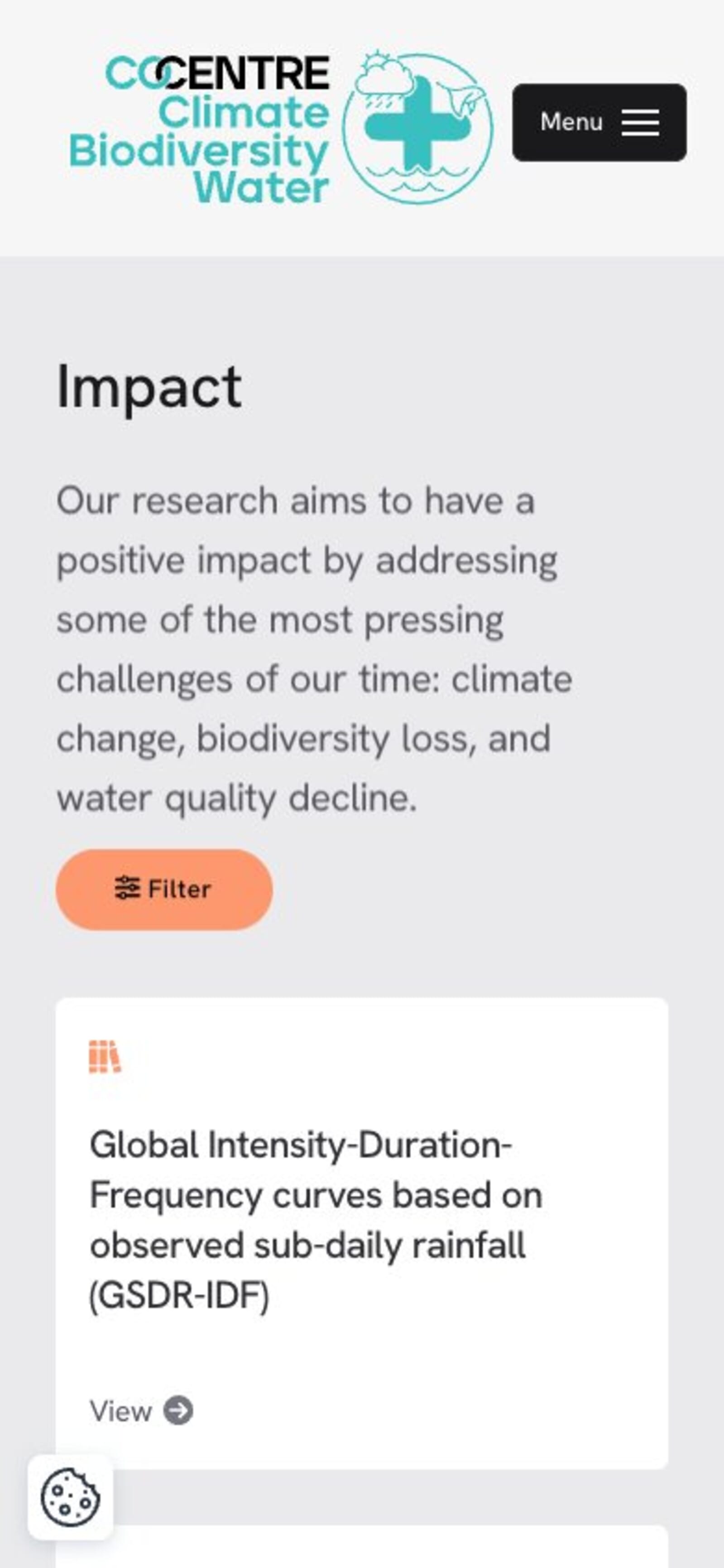
Publications in one place, filtered by theme, institution and type
The details that make it feel effortless.
-

A colour that shows the way
The Centre’s sea teal leads, and a warm coral marks every publication, so visitors know where they are at a glance.
-

A film without a film budget
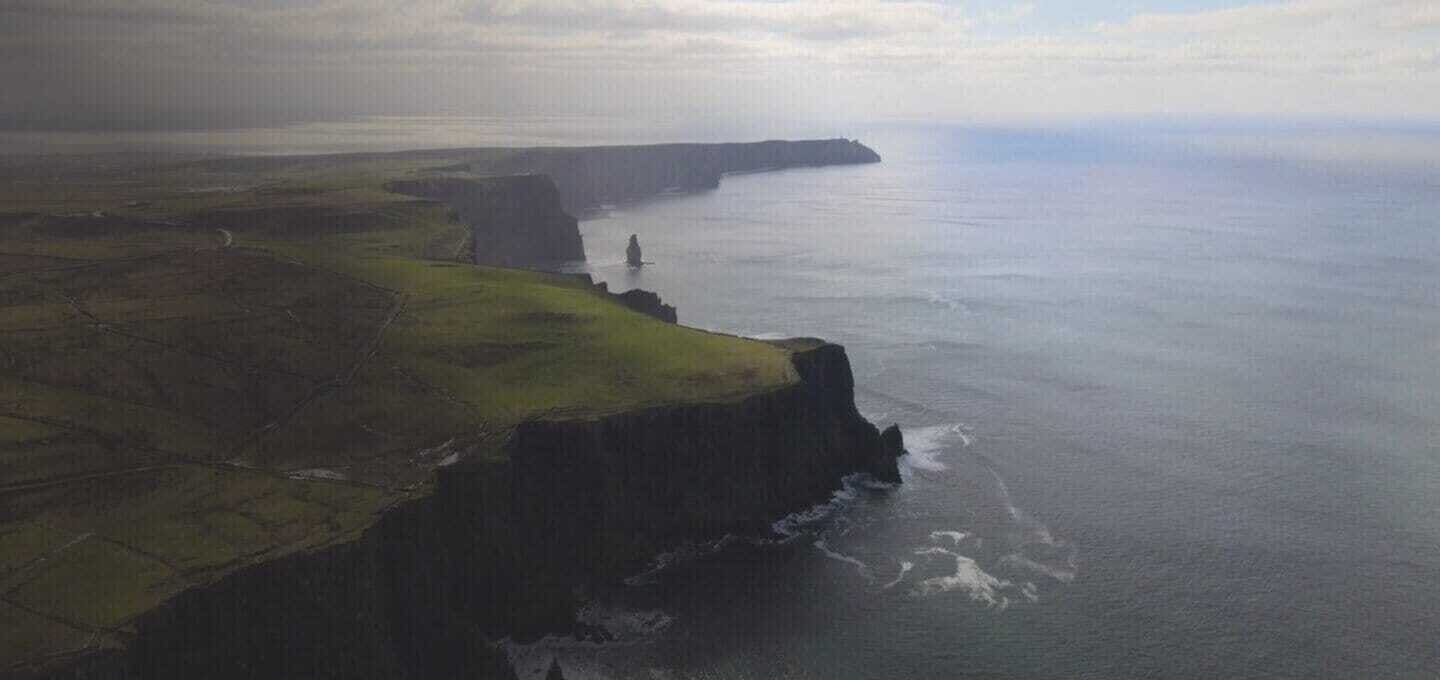
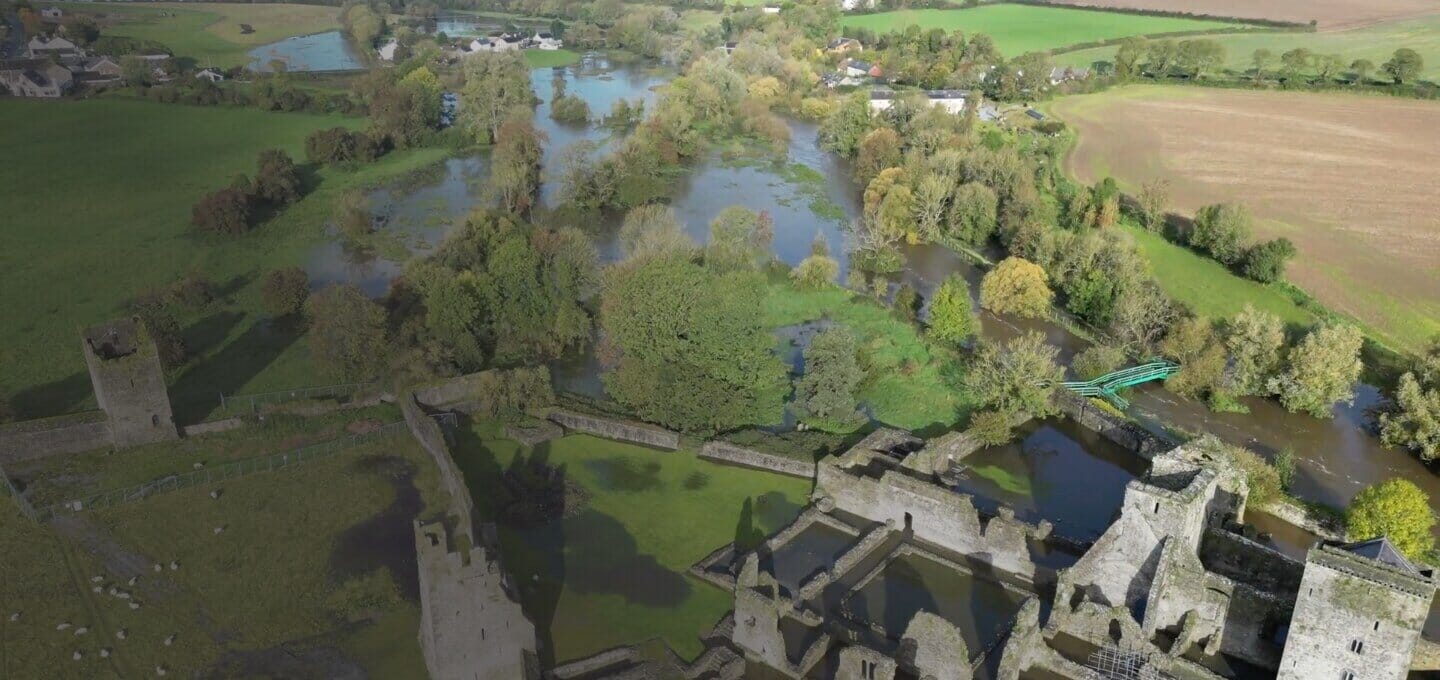
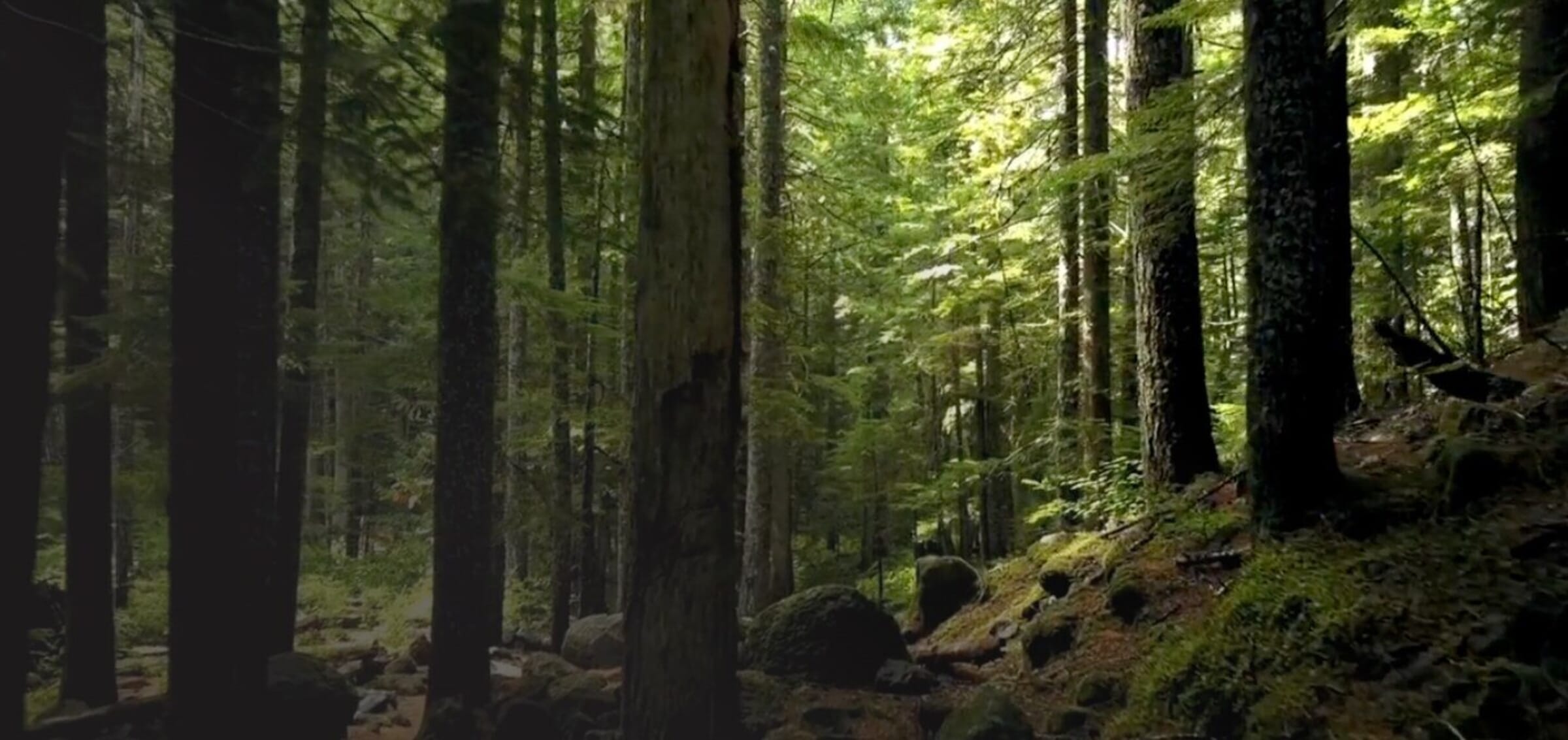
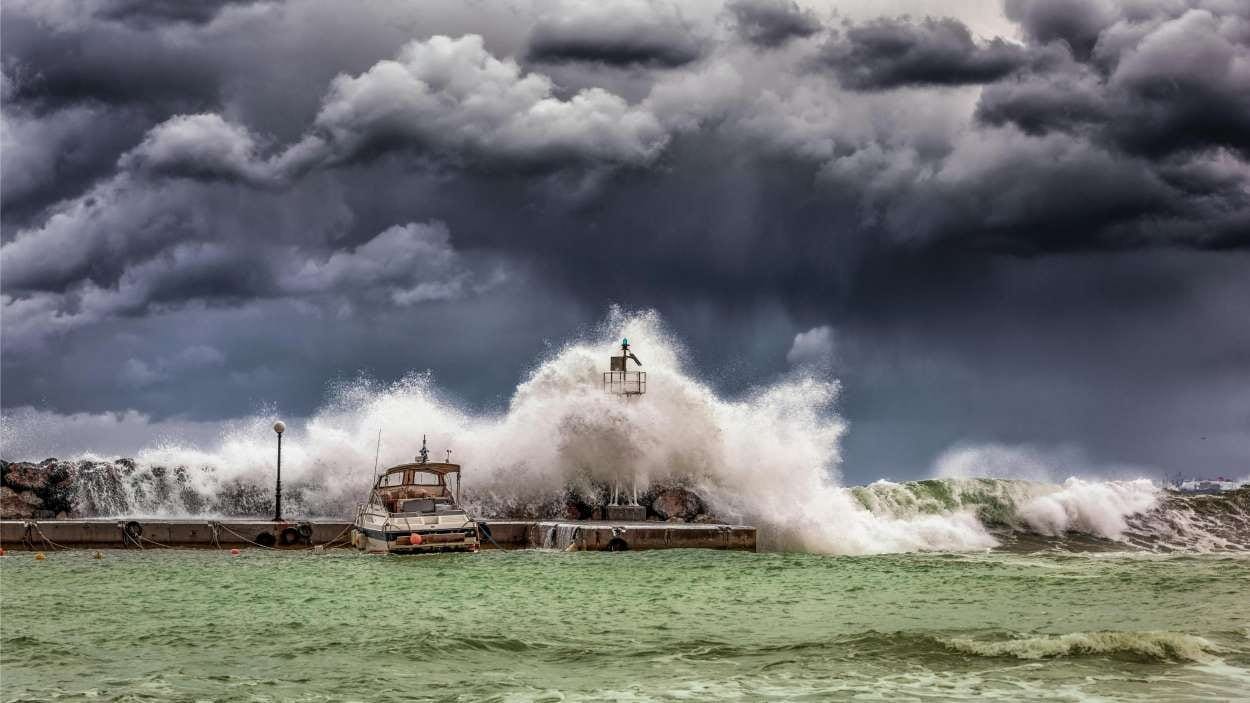
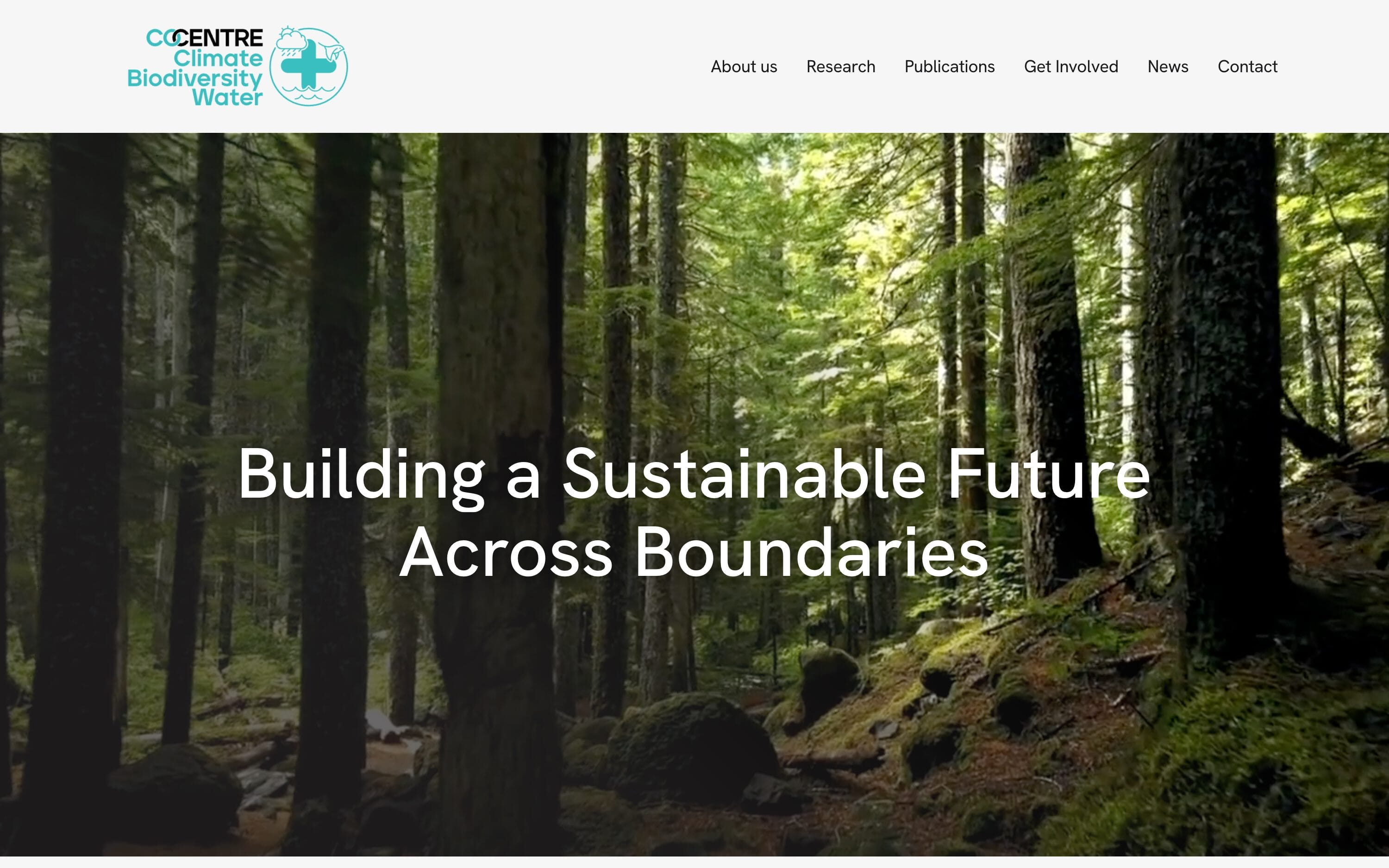
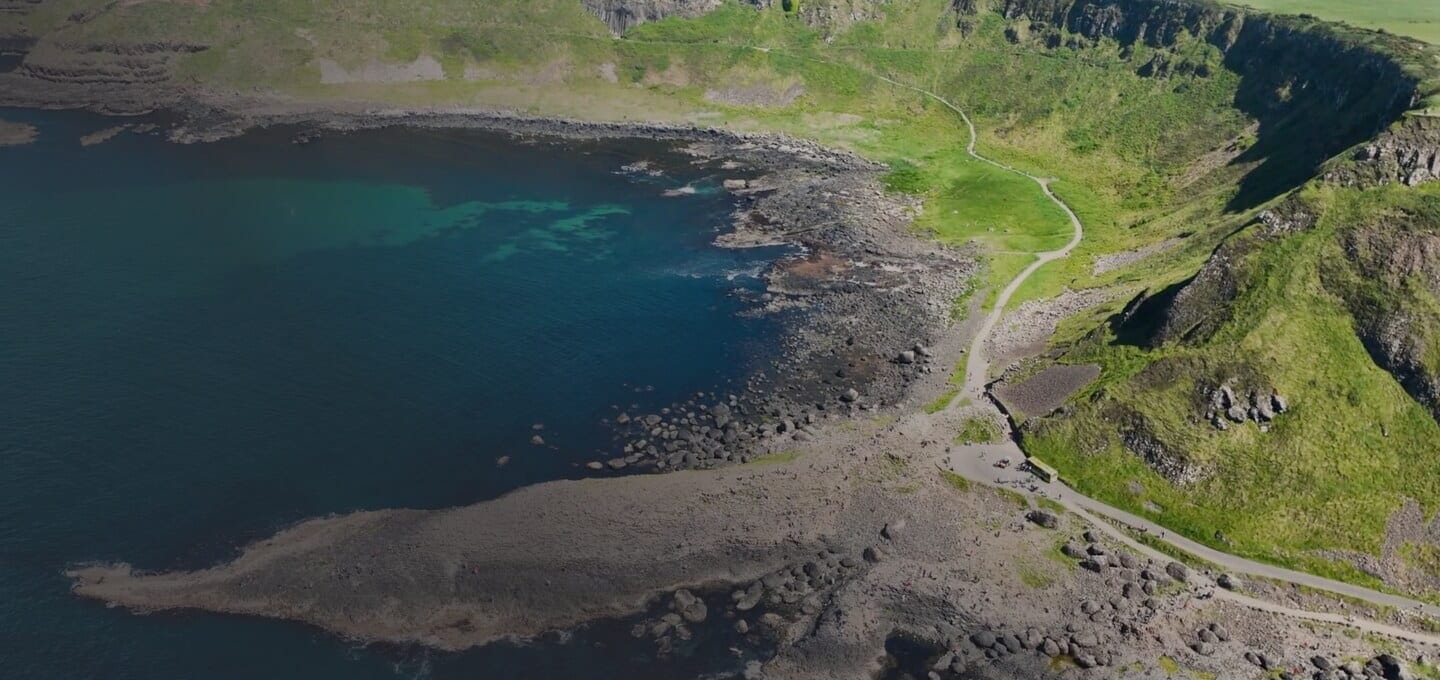
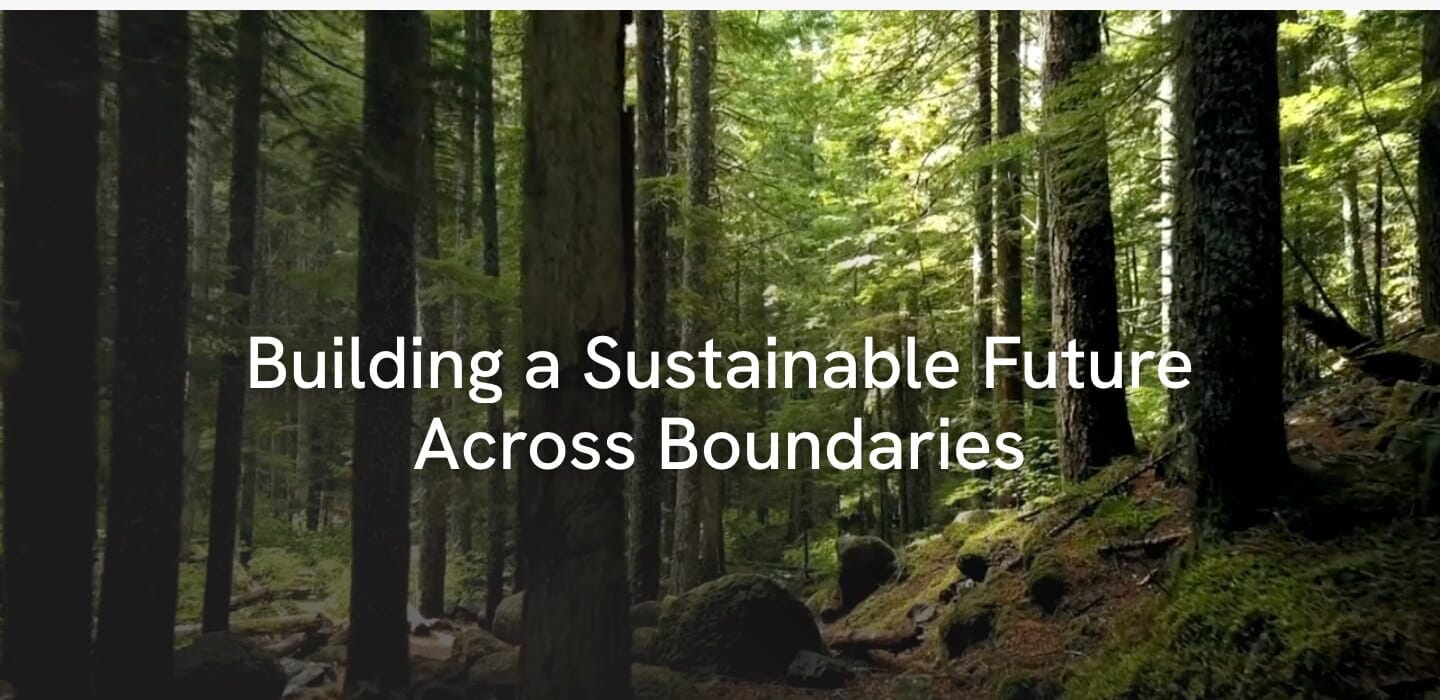
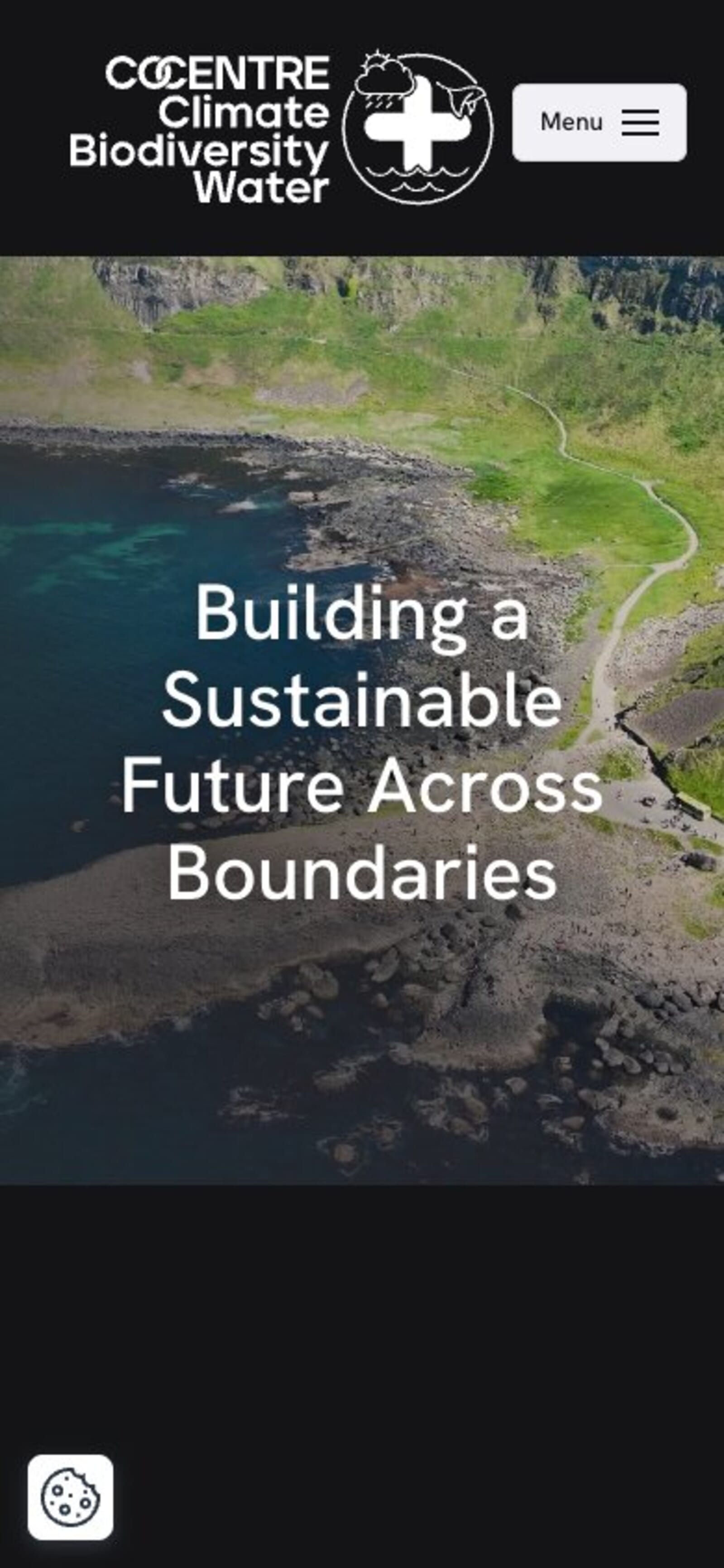
We helped the team find free clips of forest, coast and water, and cut them into one film for the home page.
-

No half-loaded first impression
A loading animation with the Centre’s logo plays until the film is ready, so nobody sees a half-loaded page.
-


Light and dark, automatically
Every page is designed twice and follows the visitor’s own setting, so the site always feels at home on their screen.
Solution
Built to be run by the team, not by us.
Early on, the Centre asked whether its own team could add project pages. Our answer: we design and build each kind of page once, then hand over the keys, so the team can add hundreds. Behind every page is an editor made for this site, not a generic theme.
-
One page, endless entries
A person, a project, a publication: each is designed and built once. Every new entry looks right the day it goes up, with no designer or developer involved.
-
A hero for every page
Each page opens however the team chooses: words alone, a photograph or a film. They pick it in the editor, and the design takes care of the rest.
-
Filters that keep themselves
The brief asked for every output in one place with a filter. Now each new paper, project or person lands in the right filters by theme, institution and type the moment it is published.
-
Trained, not dependent
We trained the team to run it, and moved the first hundred researcher profiles in for them, so the site was full from day one.
Results
Launched on time, and growing ever since.
When the hosting plan changed late in the project, we hosted the site ourselves and launched on schedule. Teams at Trinity and Queen’s still come to us whenever they need a hand.
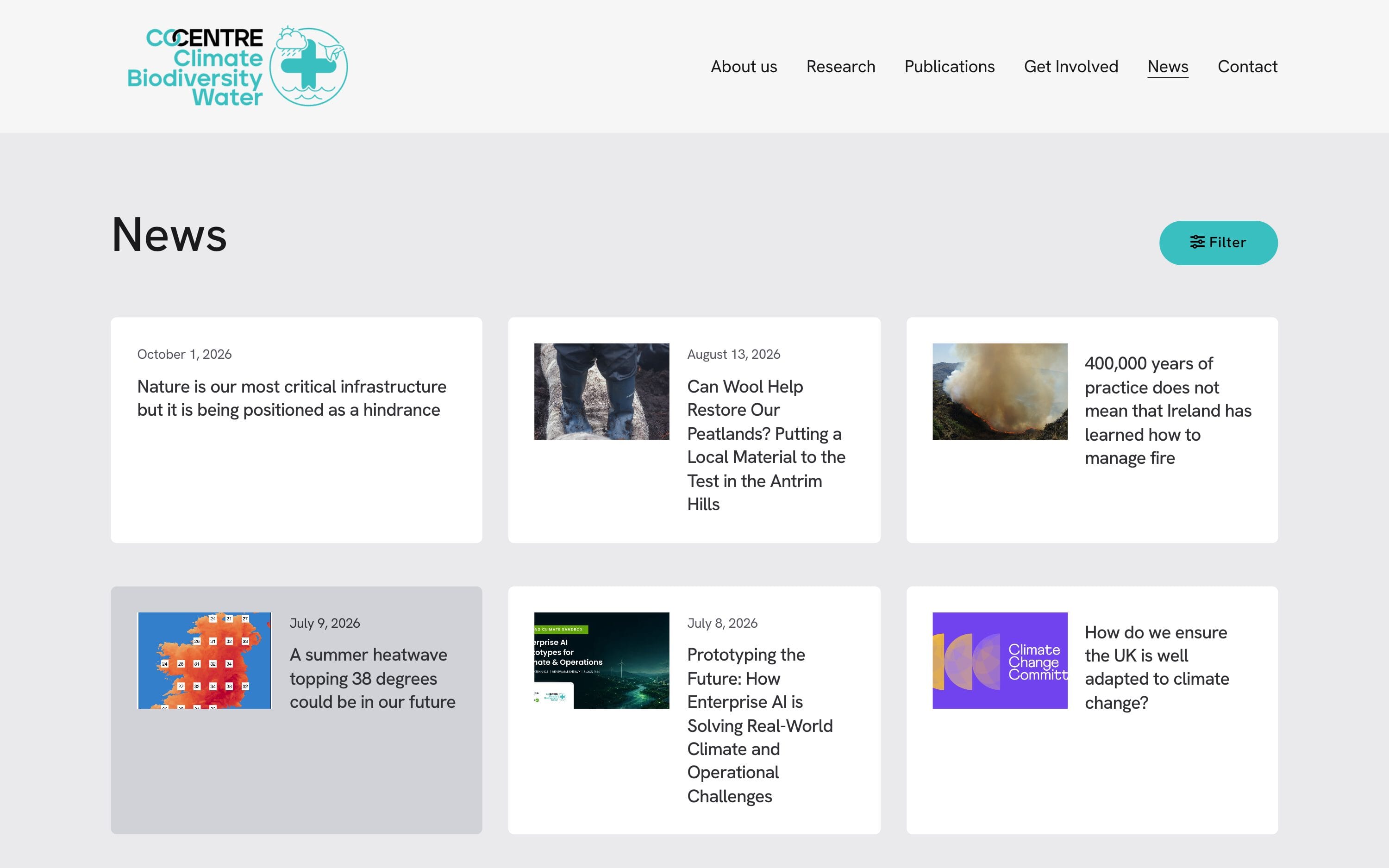
And the site has become the Centre’s voice. Since launch it has published 27 stories, from evidence given to a House of Lords committee to a Royal Irish Academy Gold Medal for its director.